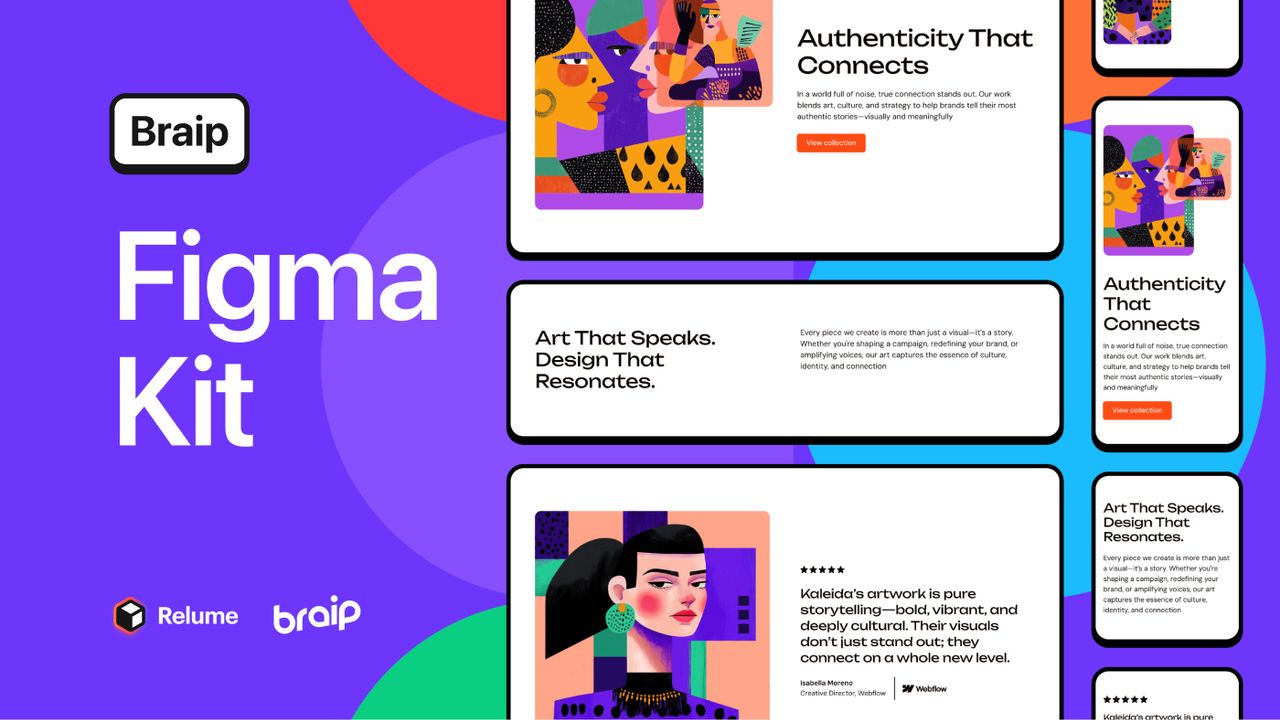
Creators Kit
A whole brand swapped in one click.
A variable layer on top of the Relume Figma Kit that reskins an entire landing page with one mode switch.
- Problem
- Every creator landing page started from zero — color, type and spacing re-decided at each launch.
- What I did
- I built a 42-variable layer with per-brand modes on top of the Relume Figma Kit, separating primitives from semantic roles.
- Outcome
- Switching the mode reskins the whole page. Still in progress — the Izadora K mode inherits the Base palette.
 02
02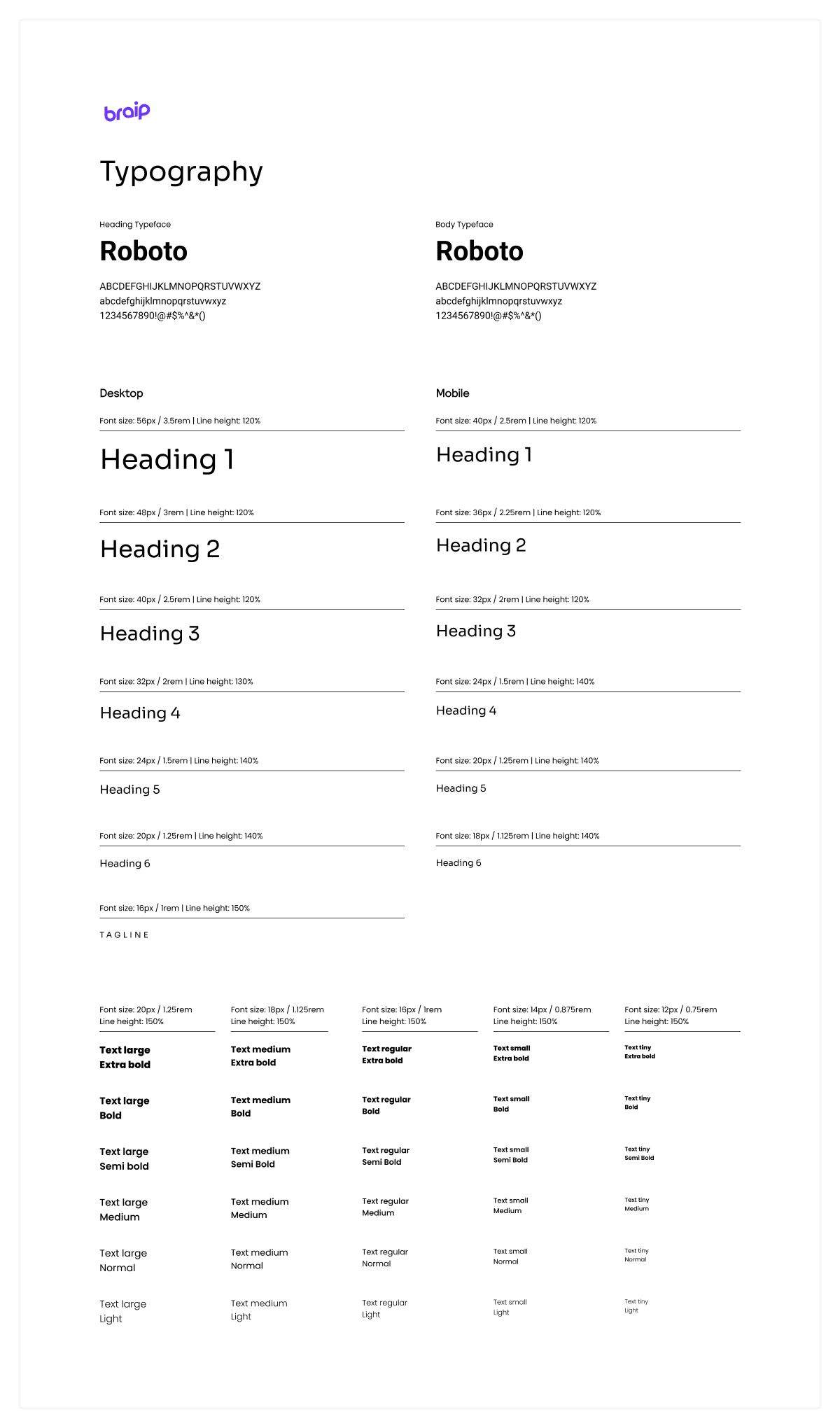 03
03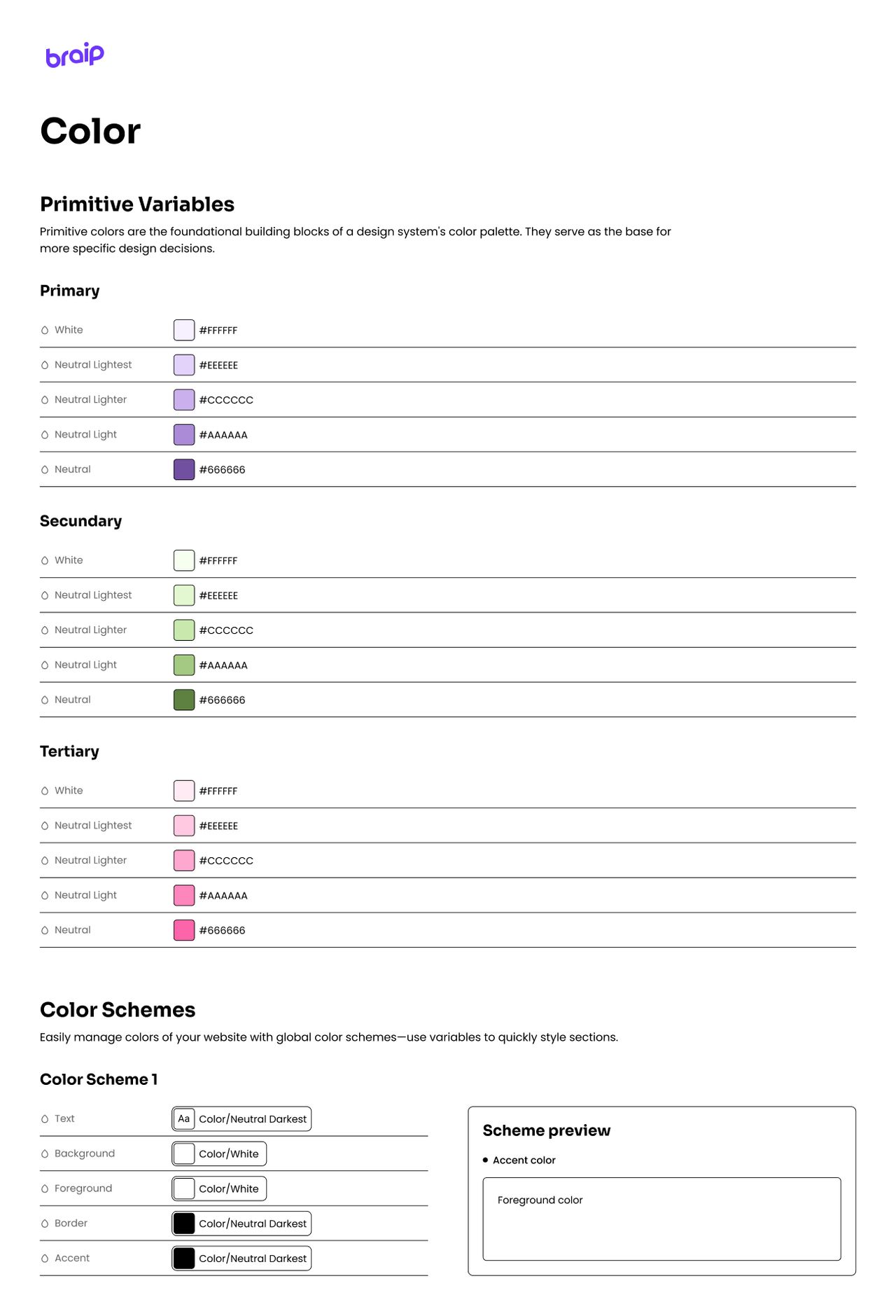 04
04
Full processContext, decisions and evidence, for those who want the detail.
Adopting a kit of eight hundred components isn't a shortcut on drawing — it's deciding what the marketing team won't have to decide at every launch. The components, page templates and 3,627 icons in this file belong to the Relume Figma Kit, version 3.5; none of that is mine. What is mine is the layer on top: a collection of 42 variables with one mode per creator, so that switching brands stops being redesign work and becomes flipping a selector.
In progress. The system is standing and documented; the queue of landing pages that will prove or break the bet hasn't run through it yet.
Two layers, not one
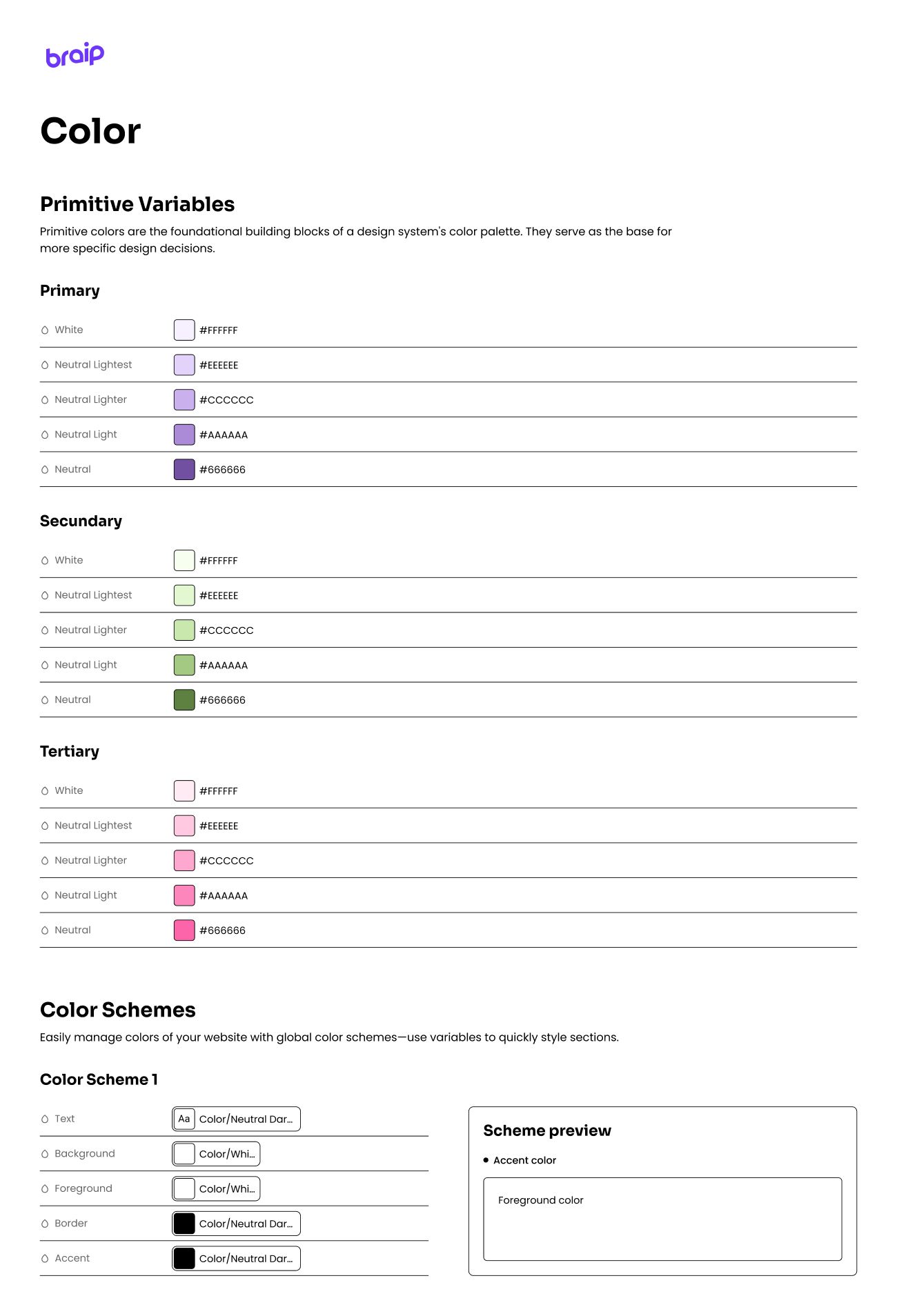
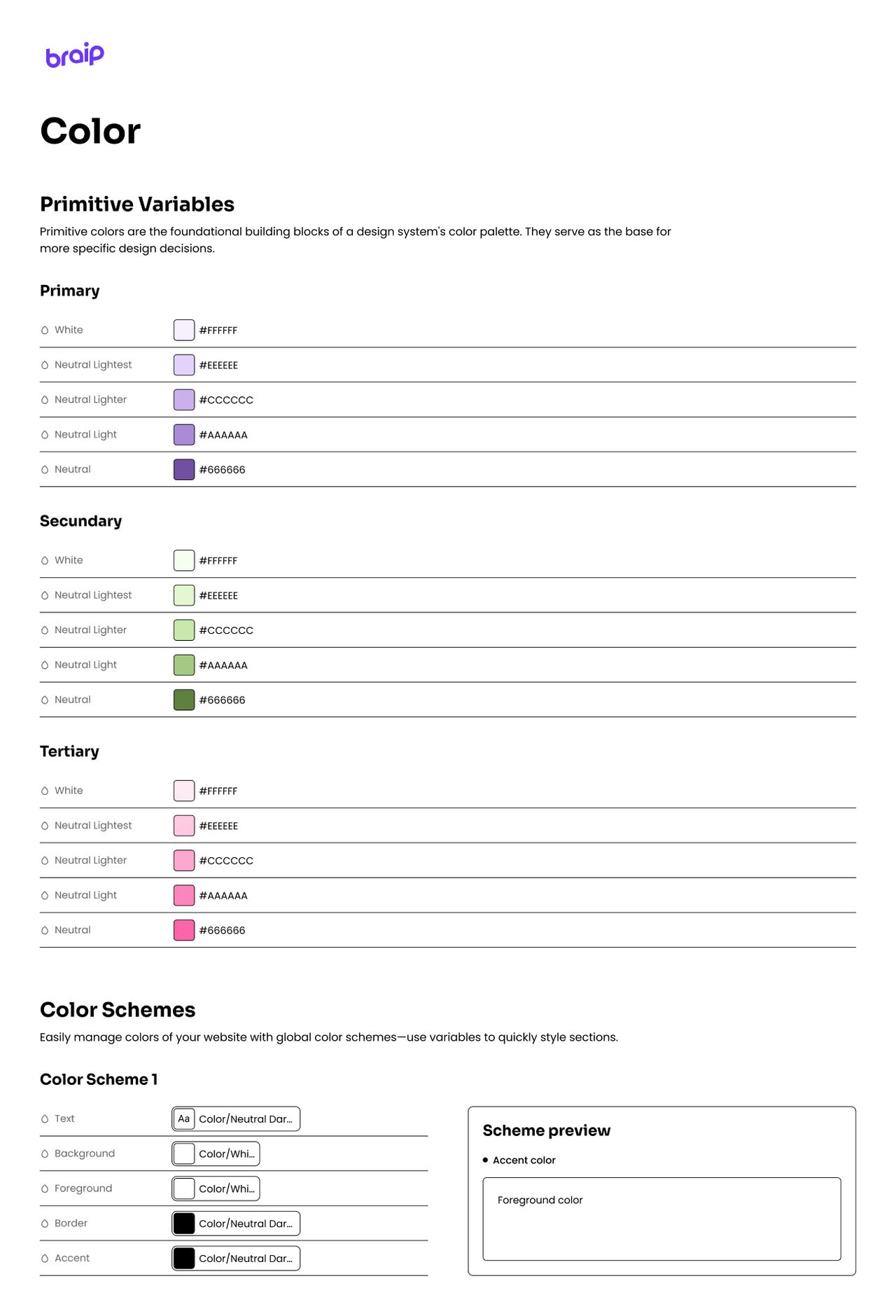
Fifteen primitives hold literal values. Twenty-five semantic variables —
Colors/Text, Background, Foreground, Border, Accent — never hold a color at all:
they only point at a primitive. That separation is what makes theming work. A component
paints its background with Background/Primary and never learns which hex it got.
One palette per creator
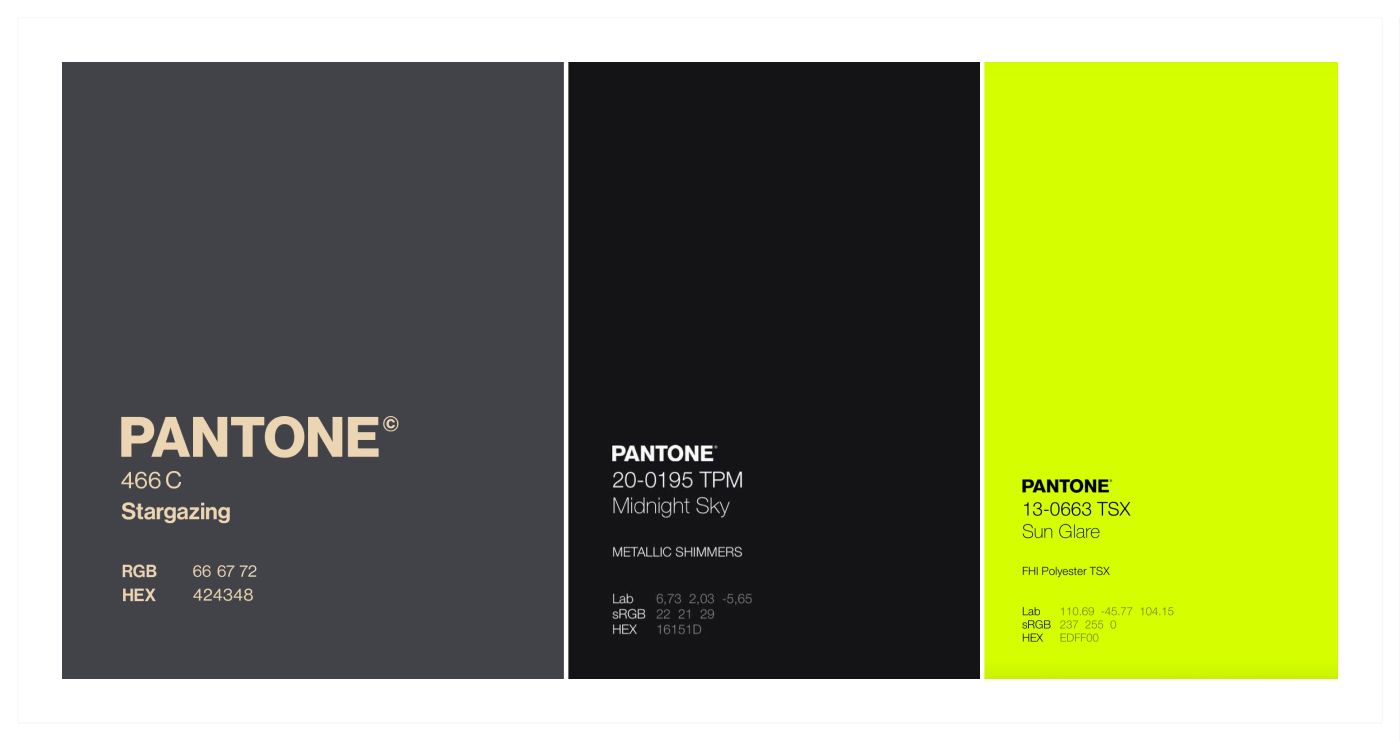
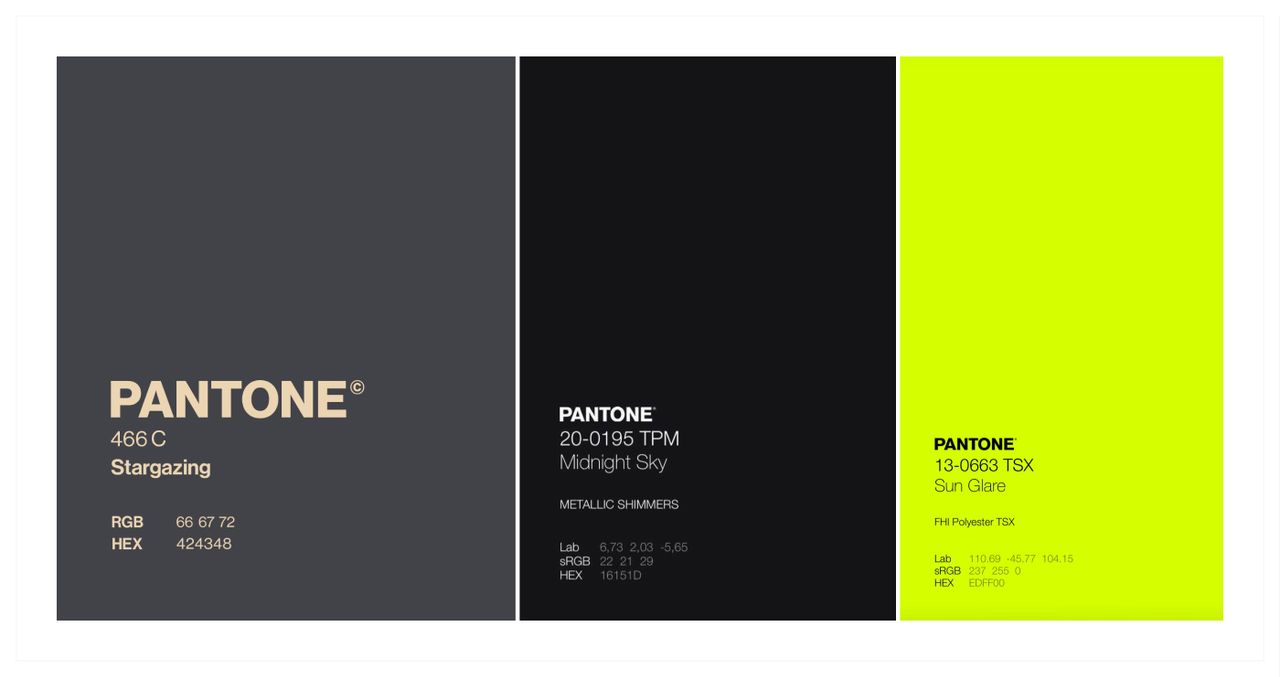
Three modes in one collection: Base, Izadora K and [Valle]. Base runs on purple
(#7250a1) and pink (#fc65a9). [Valle] swaps in neon yellow (#edff00) over a
near-black scale (#16151d) — not a tonal tweak but the inverse of Base, and exactly the
test the architecture needed to survive.
Type is a variable too
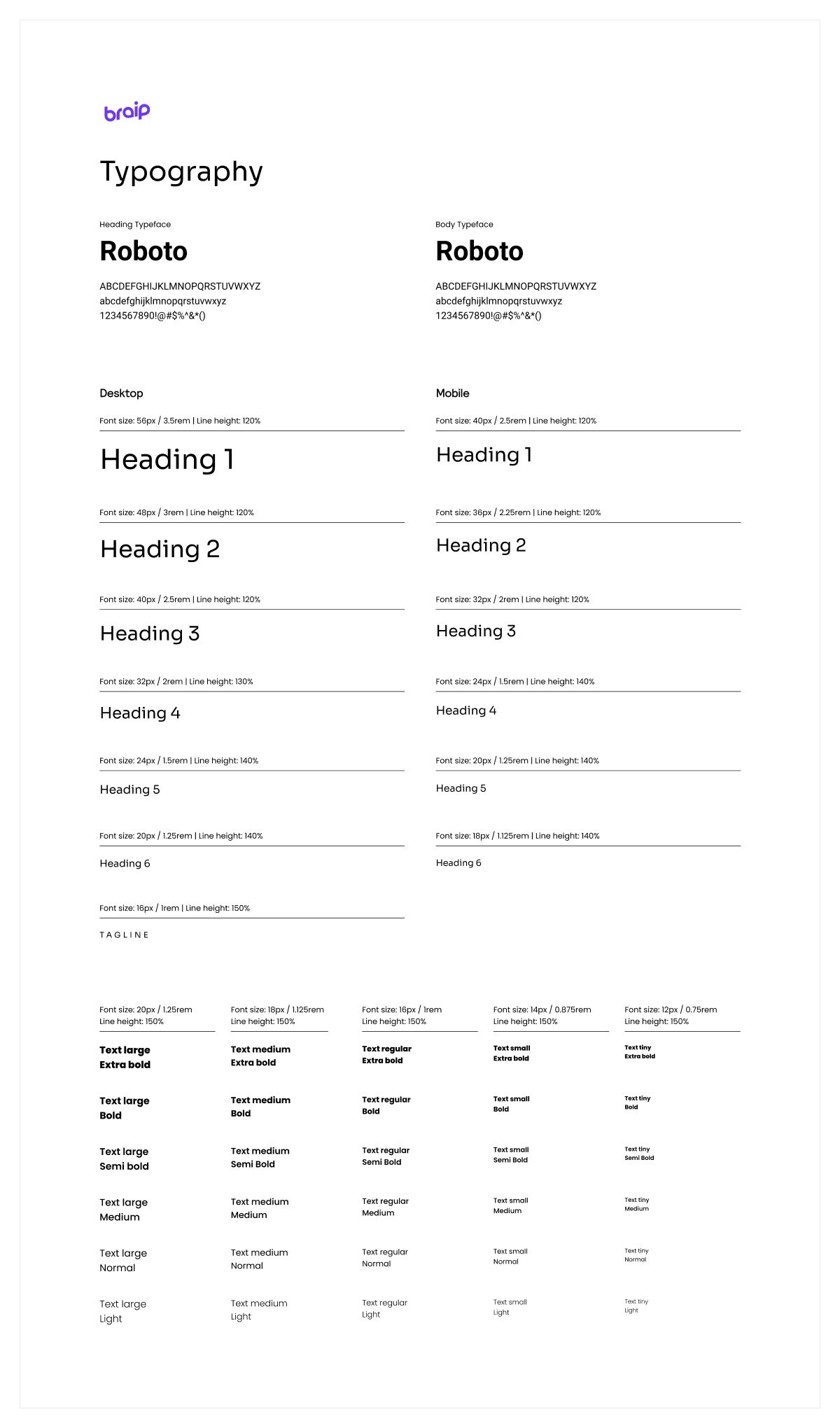
Font Family/Heading and Font Family/Text are two string variables, not one. Base runs
Sora with Poppins; Izadora K switches to Federo with Gantari. A creator's brand rarely
lives in color alone, and a system that themes color but not type only delivers half a swap.
The mode applied
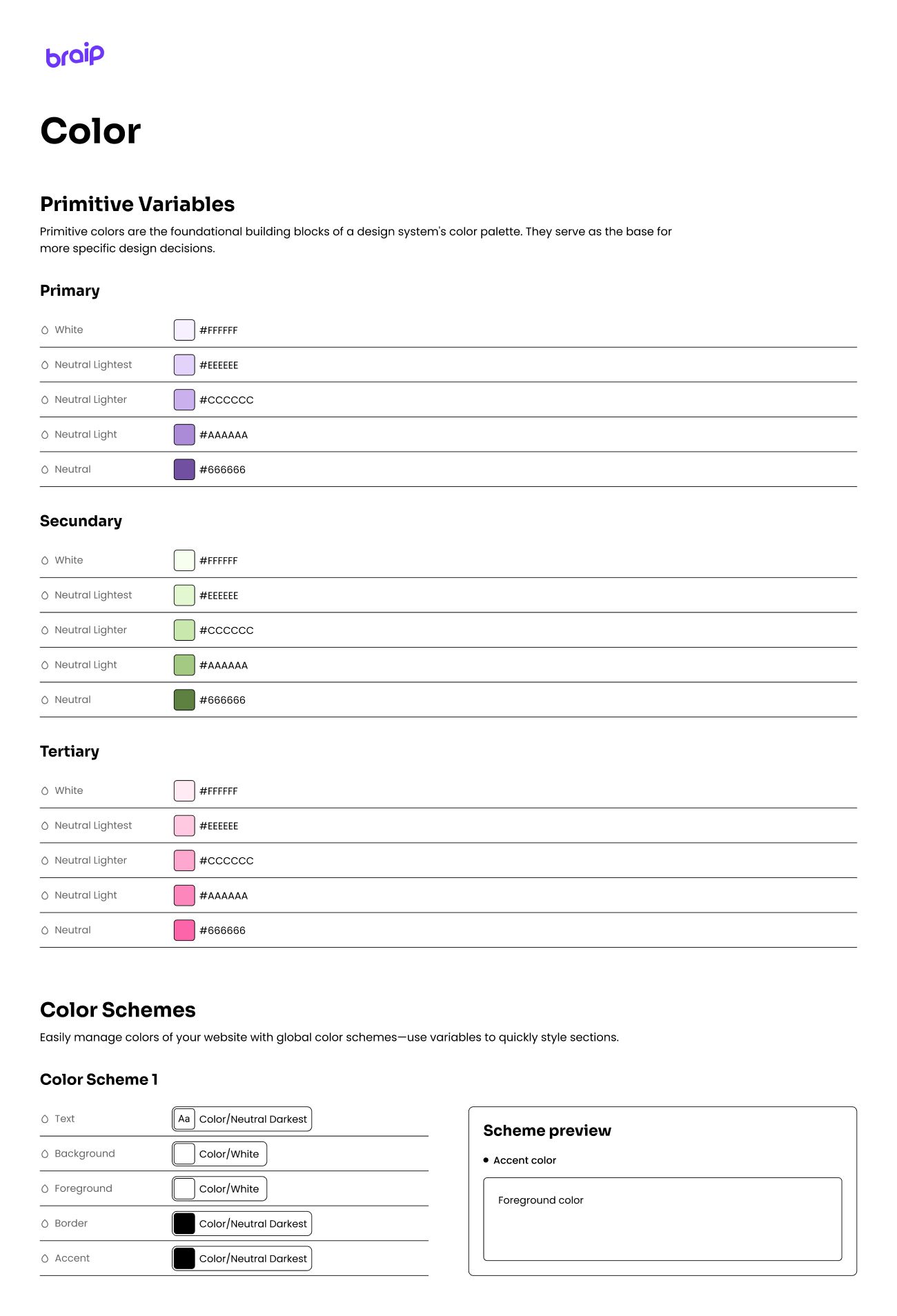
This is where the claim becomes checkable: no section was redesigned to produce this image. The mode was switched.
Next up: components of our own
The variable layer is the foundation; what comes next are components built on top of it.
The Relume kit covers the generic vocabulary of a landing page — hero, social proof, pricing,
CTA. What it doesn't have are the sections Braip's creator pages repeat at every launch: the
offer block with price and installments, the protocol timeline, the product kit, the
guarantee. Each of those drawn as a component that consumes Background/Primary and
Font Family/Heading arrives inheriting any creator's theme the day it's made.
That set is what decides whether the system delivers. It was built to cut landing page production time, and that's what the architecture intends — but I haven't measured it. Without a timed before and after, any number here would be invention.
What I'd do differently
I'd have started with Izadora K instead of [Valle]. I built the theme furthest from
Base first because it was the most interesting to make — and it did prove the architecture
survives a full palette inversion. But [Valle] is my own theme, with no deadline and nobody
waiting; Izadora K belongs to a real creator with a landing page to ship. I finished the
experiment and left the use case half-done, which is exactly the wrong order when the system
exists to serve a team's demand.
Outcomes are qualitative: I'm not cleared to publish these projects' metrics.
 Next →AML LocaçõesFrom blank page to live site.